
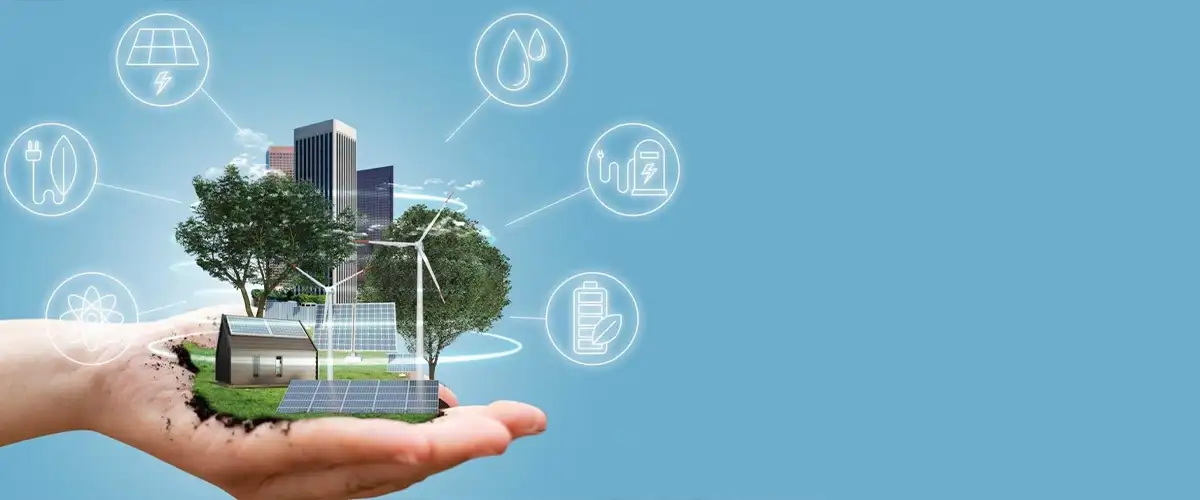
The real estate landscape in 2026 has reached a turning point. For decades, “luxury” was defined by excess—more marble, more glass, and higher energy consumption. Today, the definition has shifted. Modern homeowners now equate luxury with sustainability, wellness, and efficiency. As urban centers become more congested, the demand for homes that coexist with nature rather than compete against it has skyrocketed.
This rise of sustainable living is not just a trend; it is a fundamental shift in how we conceive our private spaces. For developers and residents alike, green building has become the gold standard for future-proof investments. Within this evolving market, Haware Rajgad stands out as a benchmark for conscious urban development.
The Core Principles of Green Building
A truly eco-friendly home is more than just a building with a few potted plants. It is a complex, integrated system designed to minimize its impact on the planet while maximizing the health and comfort of its occupants. At its heart, green building rests on three pillars:
1. Energy Optimization through Passive Design
The most sustainable energy is the energy you never have to use. In 2026, leading architects are returning to “passive design.” By orienting buildings to take advantage of natural sunlight and wind patterns, homes stay naturally illuminated and ventilated. This architectural philosophy is a cornerstone of Haware Rajgad Dombivli, where every residence is engineered for maximum airflow. Specialized materials, such as reflective roof coatings and high-performance insulation, can reduce indoor temperatures by several degrees, significantly lowering the reliance on energy-heavy air conditioning units.
2. Water Stewardship and the Circular Economy
With water scarcity becoming a reality in many Indian metros, modern homes must act as independent water-management units. Projects like Rajgad Dombivli incorporate advanced systems to ensure resource longevity:
- Rainwater Harvesting: Capturing monsoon runoff to recharge groundwater or for domestic use.
- Greywater Recycling: Treating water from showers and sinks to be reused for landscaping and flushing, reducing total water demand by up to 40%.
- Smart Fixtures: Low-flow taps and sensor-based systems that prevent wastage without sacrificing user experience.
3. Sustainable and Non-Toxic Materials
The construction industry is a major carbon contributor, but new innovations are changing the game. Builders are increasingly using Fly-Ash bricks, recycled steel, and sustainable timber. Furthermore, the focus has shifted to the “Indoor Environmental Quality” (IEQ). By using low-VOC (Volatile Organic Compound) paints and adhesives, green homes ensure that the air you breathe inside is free from the “off-gassing” common in traditional apartments.
The Psychological Impact: Living with Nature
Beyond the technical specifications, there is a deep psychological benefit to sustainable living known as Biophilia. Modern sustainable developments integrate:
- Vertical Gardens & Sky Forests: Bringing greenery to every floor.
- Open Green Voids: Creating communal spaces that encourage airflow and social interaction.
- Natural Lighting: Reducing the “fluorescent fatigue” often associated with indoor living.
Studies have shown that residents in green buildings report lower stress levels, better sleep patterns, and higher productivity. A home at Bhagwati Rajgad isn’t just a place to sleep; it’s a sanctuary designed to recharge the human spirit.
The Role of Technology in Sustainability
In 2026, “Green” and “Smart” go hand-in-hand. IoT (Internet of Things) sensors now allow homeowners to track their energy and water consumption in real-time through their smartphones. Smart thermostats learn your schedule to heat or cool only the rooms you are using, while automated lighting systems dim based on the amount of natural sunlight available. This marriage of technology and ecology ensures that being sustainable is effortless at Haware Rajgad.
A Responsibility for the Future
The rise of sustainable living is a response to the global climate challenge, but it is also a gift to ourselves. By choosing an eco-friendly home, we are investing in a healthier life, lower long-term costs, and a cleaner legacy for the next generation.
Start Your Sustainable Living Journey
If you are looking for a home that perfectly balances modern luxury with eco-friendly responsibility, our team is ready to guide you. Discover the future of residential living today.
Website: www.hawarerajgad.com
Contact Number: +91 9860949793